How to preserve your restaurant's signature flavors without relying on a single person
Many restaurants have a signature dish that everyone recognizes. A house-specialty burger, a special sauce, that special touch that makes customers...

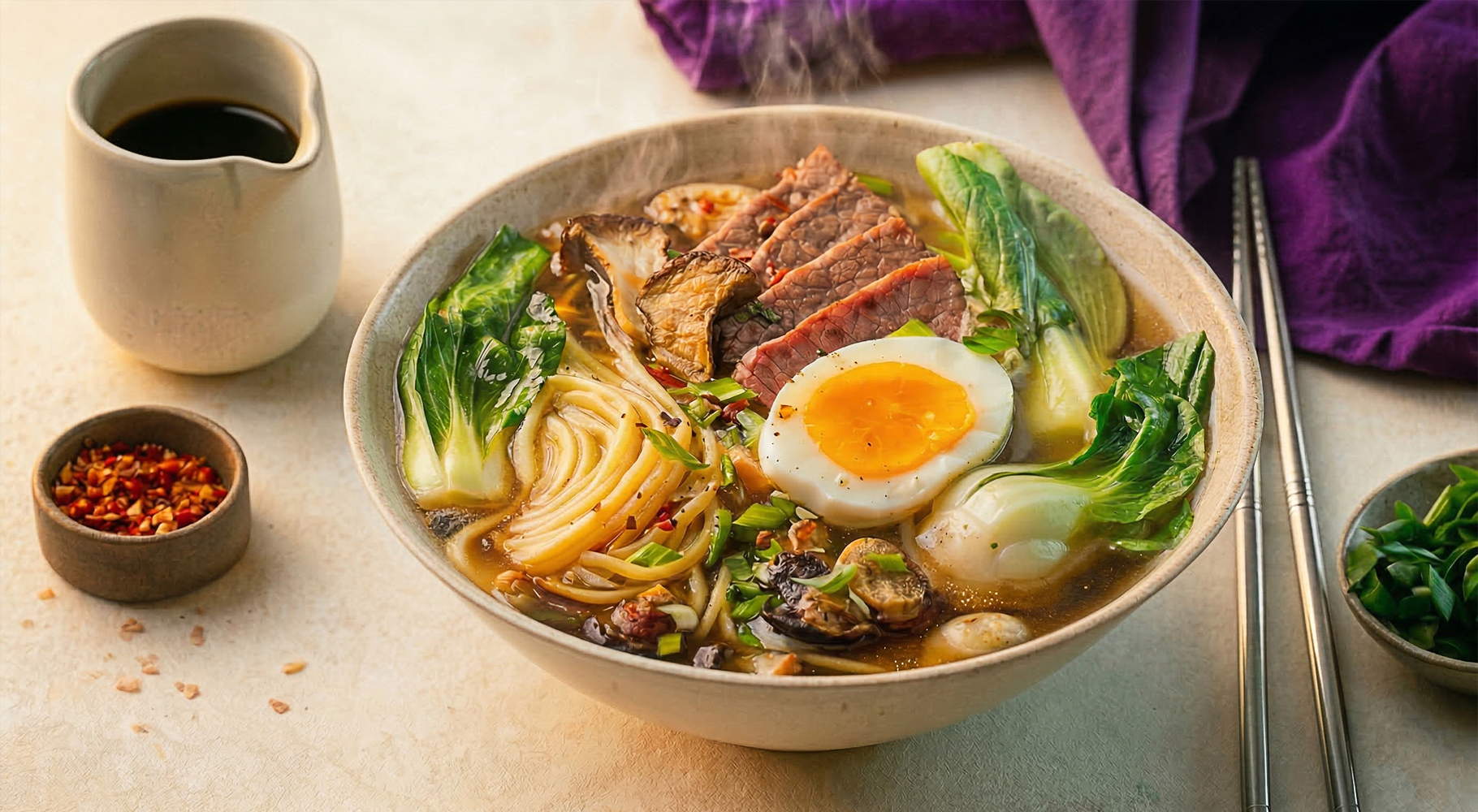
In today's culinary scene, Latin American-Asian fusion has established itself as one of the leading trends that is transforming the way dishes are conceived and, in particular, driving innovation in sauces. This approach allows for the reinterpretation of traditional Asian recipes using tropical Latin American ingredients, resulting in balanced, authentic flavor profiles that are highly appealing to today's consumers.
This fusion blends the characteristic Latin American contrast (fruit, chili peppers, and acidity) with an Asian-inspired structure centered on umami, fermented ingredients, glazes, and marinades. The result is a balance of spicy, sweet, sour, and umami flavors that enhances dishes such as stir-fries, noodles, and dumplings, offering a unique concept for restaurants seeking creativity with culinary coherence.
One of the driving forces behind this trend is the reinterpretation of traditional recipes using Asian techniques such as stir-frying and marinating, which preserve the essence of the dish while incorporating Latin American ingredients that add freshness and contrast. Thus, fruity and spicy notes—such as gulupa, lulo, or jalapeño mango—are easily incorporated into dips or marinades to balance dishes like noodles, dumplings, or bowls.
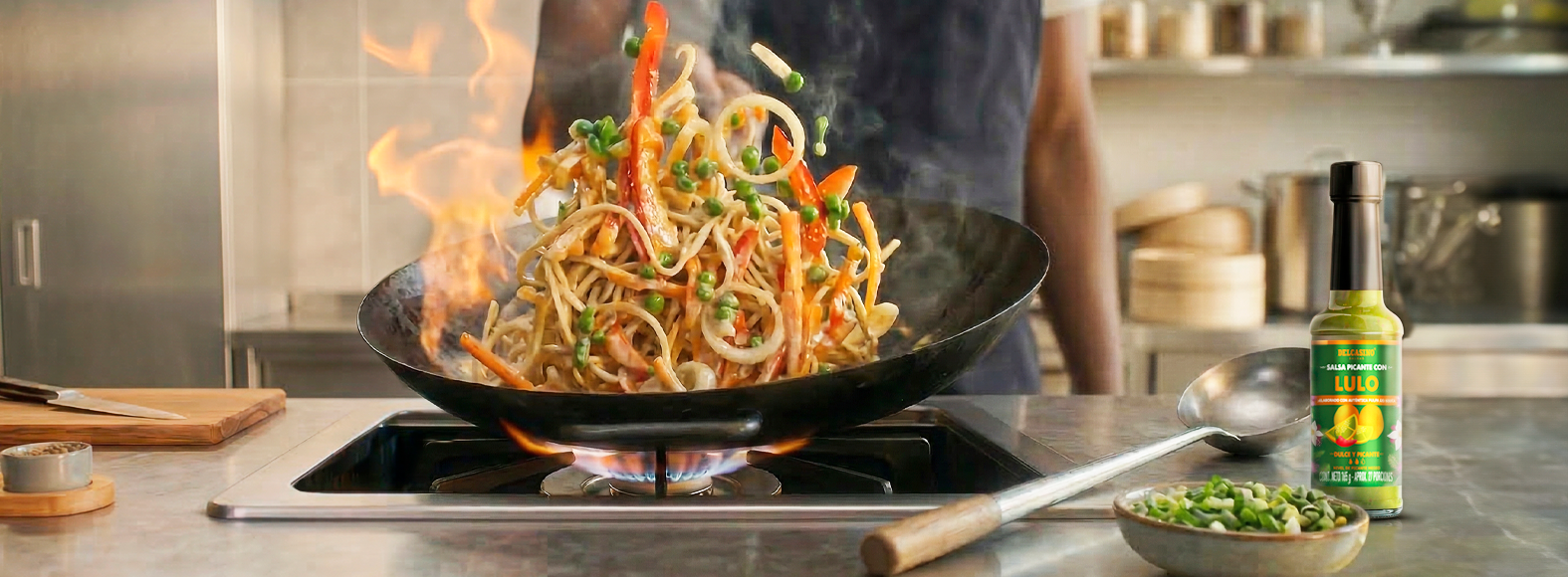
✔ Versatility: They make it easy to create restaurant sauces that can be used in a variety of dishes without changing technical processes.
✔ Accessible innovation: They allow menus to be updated without complex processes or high investments.
✔ Culinary differentiation: They offer fresh ideas that resonate with consumers seeking new experiences.
✔ Adapted authenticity: They honor culinary roots while incorporating local ingredients with distinct identities.
The fusion of Latin American and Asian culinary traditions in sauce development presents a concrete opportunity for restaurants to innovate in a coherent and efficient manner. Incorporating fruit peppers such as gulupa, lulo, or mango jalapeño allows restaurants to bridge the local and the global, respond to current consumer preferences, and position their culinary offerings as creative, consistent, and in step with the evolution of contemporary cuisine.