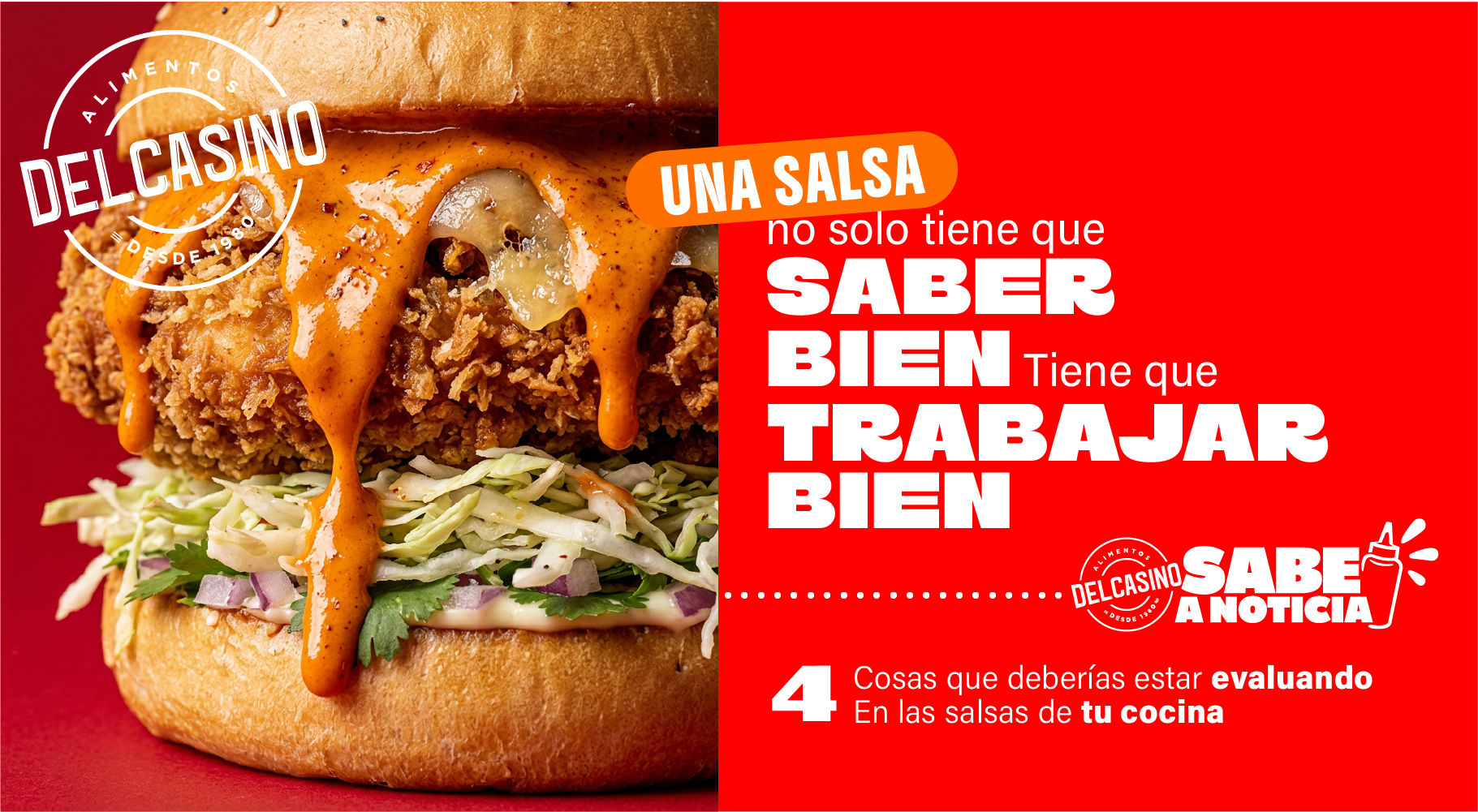
Chicken Week 2026: Here's How Restaurants Are Trying to Stand Out
When more than 350 restaurants start with fried chicken, the difference lies in how each one manages to turn it into its own unique offering. Chicken Week 2026 ...


Alimentec was a complete success for us
Not only because of the number of people who visited our booth, but also because of what happened when they tasted our food, asked questions, and connected with an idea: spiciness is no longer understood solely in terms of intensity, but as a way to create contrast, cravings, and new possibilities on the menu.
Our Limited Edition Box was sold during the fair, and regardless of the outcome, the most valuable thing was hearing what those who tried it had to say.
What We Heard Most at the Fair
➔ I like how spicy it is; I've tried other sauces, but none of them are as spicy as this one.
➔ The spiciness isn't too overpowering; I can enjoy it.
➔ Great ideas! I run a hot dog stand that serves Colombian-style hot dogs, and I can see myself bringing these to my customers to place on each table.
➔ I'm going to use Gulupa chili in an orange cocktail for my spring cocktails.
Those comments confirmed something for us: when a flavor manages to make a familiar dish feel new, it ceases to be just a sauce. It becomes a tool for creation. And that is precisely the idea behind this blog post.

In the fast-food industry, innovation doesn't always mean creating something from scratch.
Sometimes, the opportunity lies in finding a flavor that can make a familiar dish feel more modern, more intriguing, and more likely to be ordered again.
That's what's starting to happen with spicy honey.
Its appeal lies not only in its heat. It’s in the contrast: the sweetness that brings people together, the heat that awakens the senses, and a simple application that can transform high-volume items like chicken, wings, pizza, fries, burgers, or appetizers to share.
International ly, the trend is already clear. Datassential reports that hot honey appears on 11.3% of restaurant menus in the United States and has grown by nearly 230% over the past four years.
From Colombia's perspective, this doesn't mean copying a trend.
It means recognizing a trend: consumers are opening up to flavors that are more balanced, more enjoyable, and chosen with greater intention.
For fast-food businesses, the opportunity isn't just about adding a different ingredient. It's about finding simple ways to refresh what already works.
✓ A familiar dish can gain more perceived value.
✓ An appetizer can feel more contemporary.
✓ Crispy chicken can have a more memorable twist.
✓ A pizza can stand out with an unexpected finishing touch.
✓ French fries can go from a side dish to a shared experience.
And all of that without redesigning the operation.
This interpretation is the inspiration behind our Spicy Honey Syrup: a product designed for businesses that want to respond to new market trends without slowing down their kitchen operations.
It doesn’t aim to compete on intensity. Instead, it seeks to provide contrast, vibrancy, a craving-worthy flavor, and ease of use.
Because the flavor with the brightest future in fast food isn't necessarily the spiciest one. It's the one that makes something ordinary feel new.
And the spicy offerings at Alimentos Delcasino don't stop there.
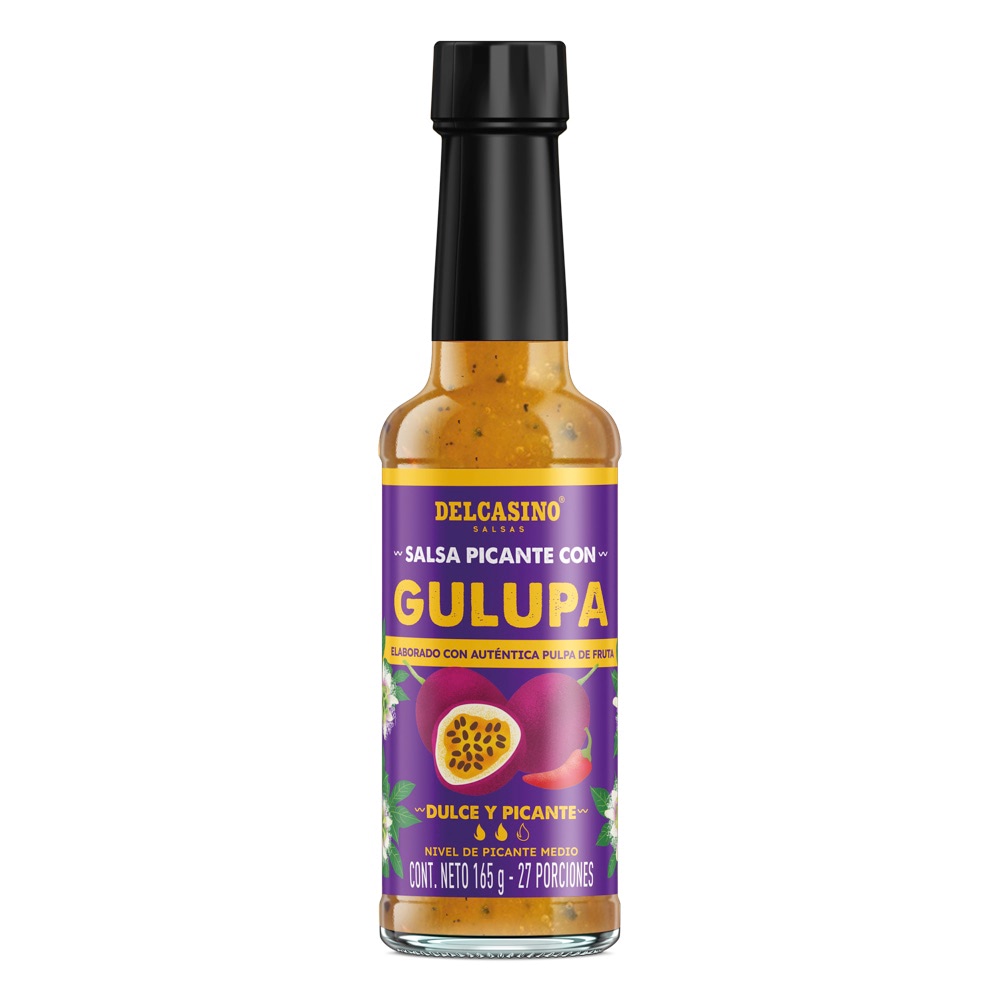
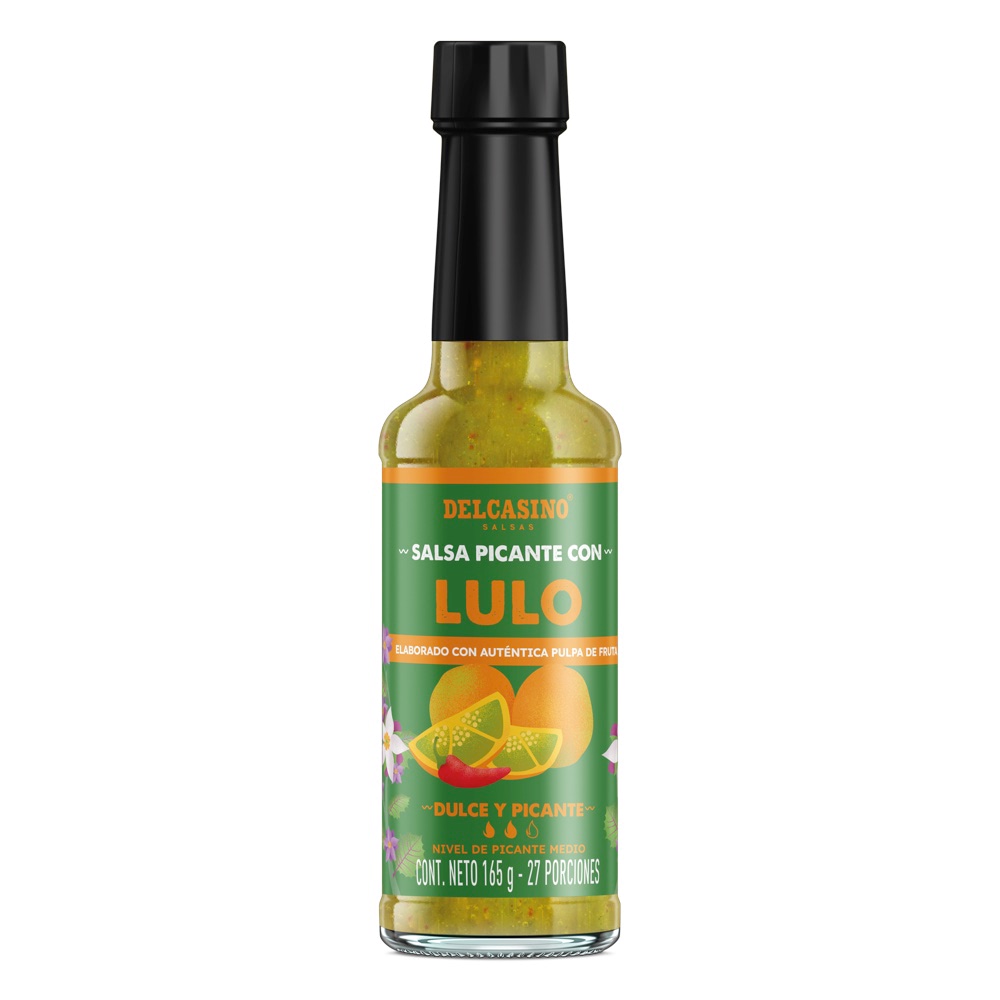
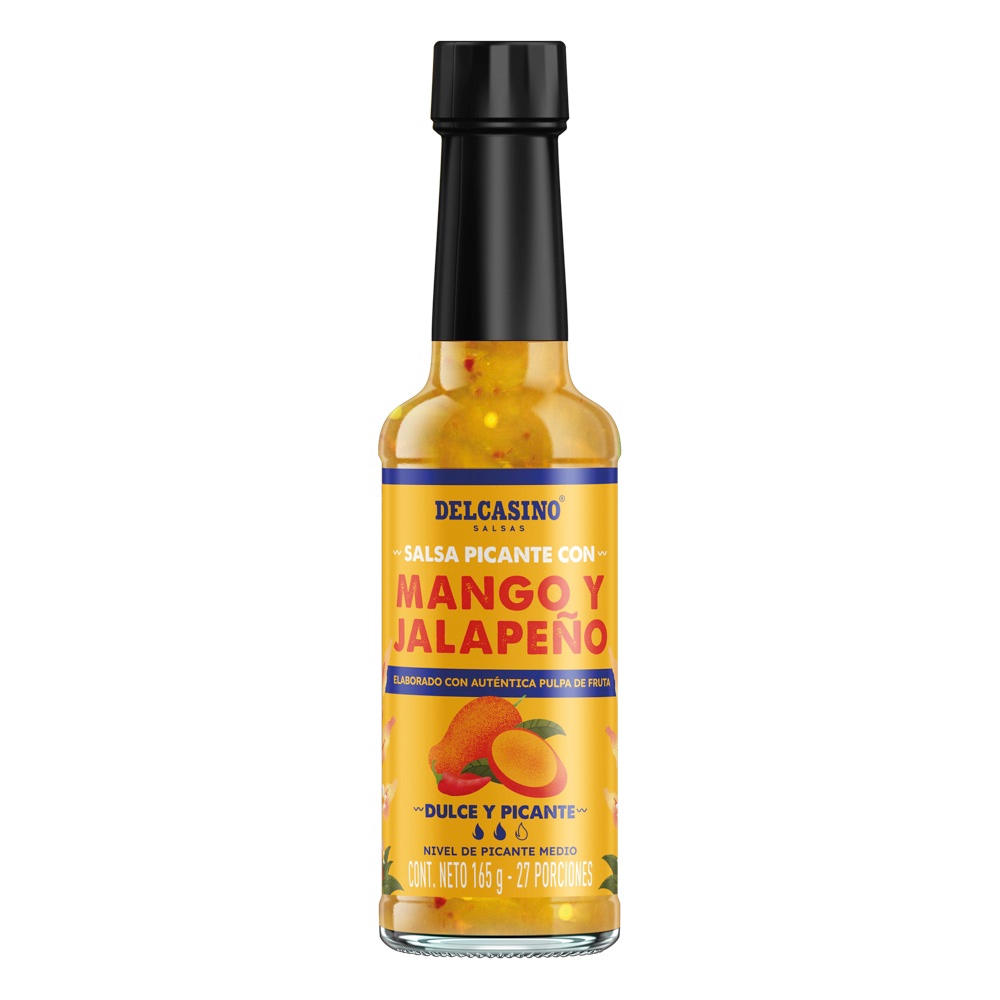
We also offer Gulupa, Lulo, and Mango Jalapeño fruit peppers, where the heat blends with tart, sweet, and tropical flavors; and our Red Chili Pepper, a more classic, straightforward, and versatile option for various culinary uses.
Different ways to work with spice.
One common goal: to give businesses more tools to create without overcomplicating things
Alimentos Delcasino
We inspire creativity without limits