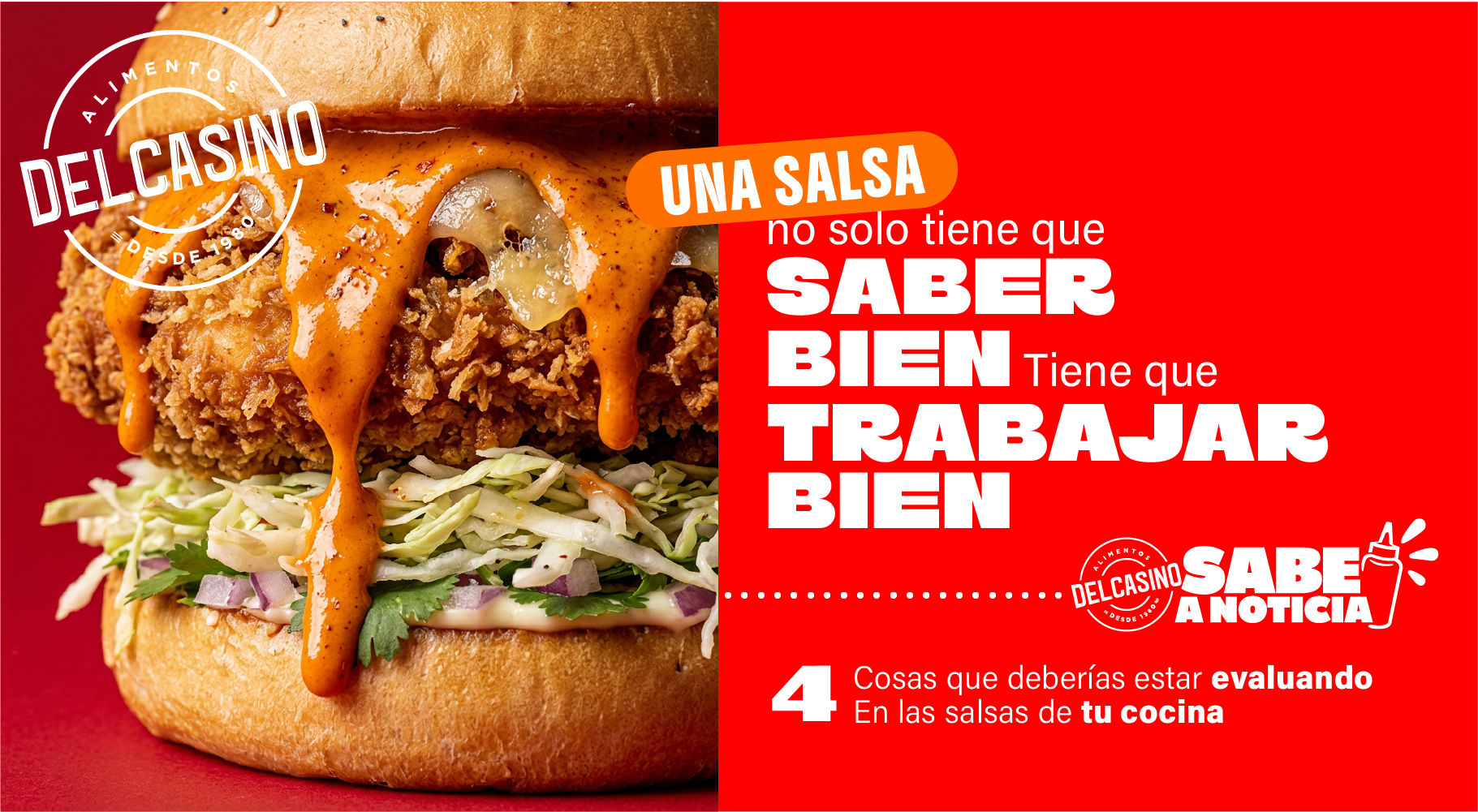
Chicken Week 2026: Here's How Restaurants Are Trying to Stand Out
When more than 350 restaurants start with fried chicken, the difference lies in how each one manages to turn it into its own unique offering. Chicken Week 2026 ...


Consumers are changing, and restaurants need to understand this
The question is no longer just what the customer wants to eat, but how they want to feel after eating.
At Alimentos Delcasino, we like to share the changes that are transforming the food industry, because understanding how consumers are evolving is key to anticipating their needs and determining, based on your business model, whether these trends could impact your business.
One of the topics currently capturing the industry’s attention is the growth of GLP-1 medications. In the United States, about 11% of adults report using them for weight loss, and between 2019 and 2024, their use for the treatment of obesity grew by 587%. Beyond the numbers, this phenomenon is influencing the way people shop at supermarkets and make choices when dining out.
In this blog post, we'll explain how some restaurants are adapting their menus to meet these new preferences, and we'll share ideas that can inspire restaurants to prepare for this new reality.
Although the local market is still at a different stage, understanding what is happening in other countries allows us to identify opportunities, understand how consumer habits are evolving, and prepare for consumers who are making increasingly conscious decisions about their diets.

Smoothie King introduced GLP-1 Support, a line of smoothies designed for consumers taking GLP-1 medications. The line offers beverages containing 19 to 45 g of protein, 0 g of added sugar, fiber , and between 190 and 450 calories, formulated to complement the nutritional needs of those undergoing this type of treatment.
The growth of plant-based options doesn't mean turning the entire menu vegan. It's about offering plant-based alternatives that expand the menu and cater to consumers who are looking to reduce their meat consumption or try new options.
Veggie Grill positions itself as a 100% plant-based restaurant, offering bowls, burgers, salads, sandwiches, and wraps—all made entirely from plant-based ingredients. Its business model is built around that promise.

Burger King, on the other hand, represents the other extreme: a mass-market chain that has incorporated vegetarian or plant-based options in some markets—such as the Plant-Based Whopper and other veggie alternatives—without changing the rest of its menu. This shows that even the most traditional brands are making room for this type of consumer.

Sin Arrepentimientos Food, a restaurant that has reinvented fast food with a focus on higher-protein dishes.
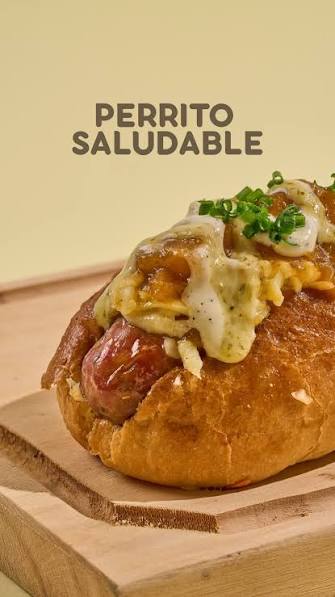
Instead of a traditional hot dog, it offers versions made with sourdough bread, lean chicken breast or pork shoulder sausages, and toppings, demonstrating that it’s possible to adapt fast-food classics to meet the needs of consumers seeking options with higher protein content and more balanced meals.
These trends are prompting restaurants to review several specific aspects of their operations:
➔ Dishes with the highest protein content
➔ Plant-based alternatives.
➔ More moderate portions.
➔ Vegetable options
➔ Greater flexibility in customizing each dish.
However, the challenge isn't just to include a healthier or plant-based option on the menu, but to make it feasible in the restaurant's day-to-day operations.
It must be quick to prepare, maintain the same quality with every serving, taste good, and be cost-effective. In addition, it must integrate easily into the kitchen’s workflow without becoming an isolated dish or one that is difficult to replicate.
At this point, having versatile bases, sauces, and solutions allows you to customize dishes and adapt your menu without having to completely overhaul your operations.
Before making major changes, it’s worth analyzing whether your offering meets new consumer expectations. These two questions can serve as a starting point:
✔ Does your menu clearly highlight the lighter, plant-based, or higher-protein options?
✔ Can customers customize some of your dishes without disrupting kitchen operations?
If any of these answers is “no,” there’s likely an opportunity to update your proposal without having to redesign the entire letter.
It's not about following every trend, but rather identifying the ones that truly add value to your business and your customers. Strategically adapting your menu can increase dining occasions, strengthen your restaurant's competitiveness, and maintain efficient operations.